
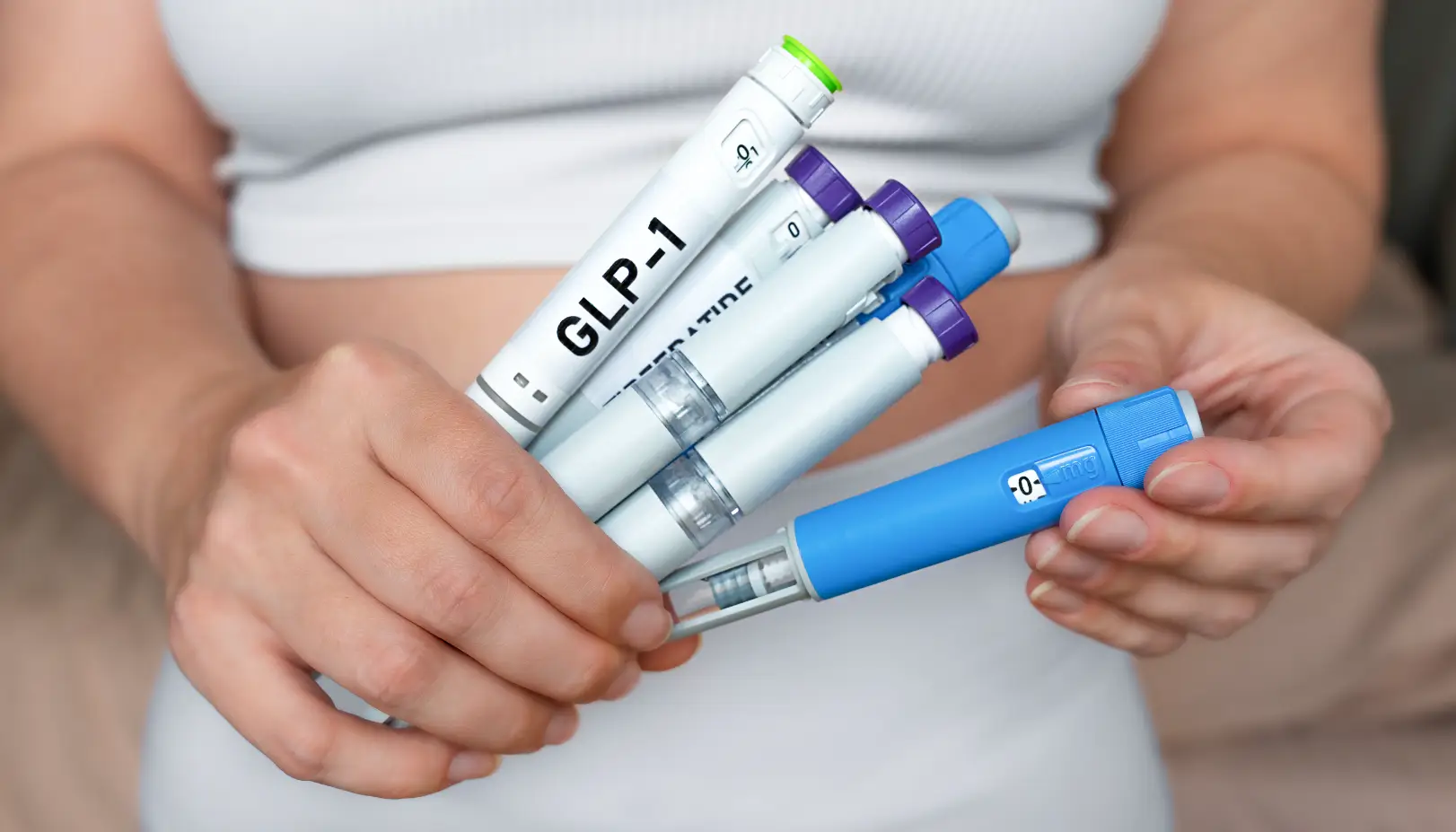
Weight-loss medicine is moving quickly. Semaglutide helped bring GLP-1 medications into everyday conversation, tirzepatide expanded the discussion by targeting two hormone receptors, and now retatrutide is attracting attention as an investigational triple agonist.
The headlines are exciting, but they can also make it difficult to separate what’s available today from what’s still being studied. For patients considering GLP-1 medications for weight loss, that distinction matters. Semaglutide and tirzepatide have FDA-approved options for chronic weight management, while retatrutide remains investigational and isn’t available for public use.
So what actually separates these three medications? Let’s look beyond the hype and compare their mechanisms, evidence, availability, and role in medically supervised weight management.
Three Generations, Three Different Approaches
Semaglutide vs. tirzepatide vs. retatrutide isn’t simply a comparison of three versions of the same medication. Each acts on a different combination of hormone receptors, and retatrutide is still being evaluated before regulatory approval.
Semaglutide: The Single GLP-1 Approach
Semaglutide is a GLP-1 receptor agonist. GLP-1 is involved in several processes related to glucose regulation and appetite, which helps explain why this medication class became so important in diabetes and obesity treatment.
For chronic weight management, semaglutide is available under the Wegovy brand. The FDA has approved Wegovy for eligible patients with obesity or overweight with qualifying weight-related conditions, alongside diet and physical activity. In March 2026, the FDA also approved a higher 7.2 mg Wegovy dose for certain adults.
That regulatory status is important. Semaglutide isn’t an experimental medication waiting for obesity data. There is already an established FDA-approved pathway for appropriate patients to receive it under medical supervision.
That doesn’t mean semaglutide is appropriate for everyone. Medical history, current medications, weight-related conditions, contraindications, side effects, and individual goals all belong in the conversation before treatment begins.
Tirzepatide: Two Targets Instead of One
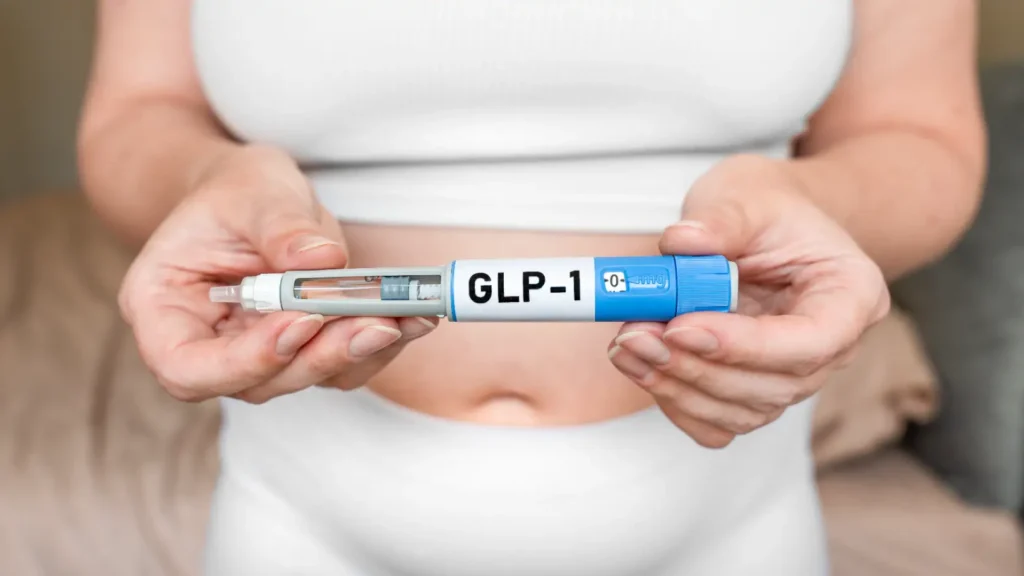
Tirzepatide takes a different approach. It activates both GIP and GLP-1 receptors, which is why you’ll sometimes see it described as a tirzepatide GLP-1 GIP dual agonist. For weight management, tirzepatide is marketed as Zepbound.
The FDA approved Zepbound in 2023 for chronic weight management in qualifying adults with obesity or overweight and at least one weight-related condition, together with a reduced-calorie diet and increased physical activity. Tirzepatide is also the active ingredient in Mounjaro, which is used for type 2 diabetes.
This dual mechanism is one reason tirzepatide vs. semaglutide has become such a prominent comparison. Still, having more receptor targets doesn’t automatically determine which medication is appropriate for an individual patient.
The decision should be based on the patient’s health profile, indications, tolerability, treatment goals, and clinical guidance rather than the number of receptors listed beside the drug’s name.
Retatrutide: The Triple-Agonist Approach
Retatrutide moves the science another step forward. It’s a single investigational molecule designed to activate three receptors: GLP-1, GIP, and glucagon.
That makes it a GLP-1 GIP glucagon agonist, more accurately described as a triple agonist. You may also encounter retatrutide called a “GLP-3” medication online, but Lilly specifically notes that GLP-3 isn’t a scientifically accurate classification.
The addition of glucagon receptor activity is one of the reasons researchers are so interested in retatrutide. Rather than simply being another GLP-1 medication, it represents a different pharmacologic strategy being studied for obesity and several obesity-related conditions.
But there’s one fact that needs to remain attached to every conversation about it: retatrutide is still investigational.
Why Retatrutide Is Getting So Much Attention
The excitement isn’t coming from nowhere. Clinical trial findings have made retatrutide one of the most closely watched next-generation weight loss drugs.
The Early Trial Results Were Striking
A Phase 2 trial published in The New England Journal of Medicine included 338 adults with obesity or overweight plus a weight-related condition. At 48 weeks, mean weight change ranged from 8.7% with the 1 mg dose to 24.2% with the 12 mg dose.
Those results helped propel retatrutide into the spotlight. The most commonly reported adverse events were gastrointestinal and were generally mild to moderate in severity. The trial also reported dose-dependent increases in heart rate that peaked at 24 weeks and later declined.
Those safety findings matter just as much as the weight-loss percentages. New medications aren’t evaluated only by asking whether they work. Researchers also need to understand tolerability, adverse effects, dosing, long-term safety, and which patient populations may or may not benefit.
Phase 3 Has Added to the Buzz
The story has advanced considerably since that Phase 2 publication. In May 2026, Lilly announced topline results from its Phase 3 TRIUMPH-1 obesity trial. Participants receiving 12 mg retatrutide lost an average of 28.3% of body weight at 80 weeks, while a study extension involving participants with a baseline BMI of at least 35 reported an average 30.3% reduction at 104 weeks.
Additional Phase 3 results have since been announced. Lilly reported average weight reductions of up to 20.8% at 80 weeks among participants with obesity or overweight and type 2 diabetes in TRIUMPH-2. In TRIUMPH-3, involving adults with severe obesity and established cardiovascular disease, the company reported average reductions of up to 22.6%.
These are important trial findings, but comparisons need context. Different studies enroll different populations, run for different lengths of time, use different doses, and follow different protocols. You can’t simply place percentages from separate trials side by side and declare one medication universally “stronger.”
Does Retatrutide Beat Tirzepatide or Semaglutide?
Questions such as retatrutide vs. tirzepatide, retatrutide vs. semaglutide, and “is retatrutide better than tirzepatide?” are understandable. The available evidence, however, doesn’t support choosing a medication solely by finding the largest headline percentage from separate studies.
Semaglutide and tirzepatide already have FDA-approved weight-management indications. Retatrutide doesn’t. Retatrutide’s Phase 3 findings are promising, but it remains under regulatory development. Lilly’s current pipeline identifies the drug as an investigational GIP/GLP-1/glucagon receptor agonist being studied for obesity and other conditions.
There’s also much more to successful medical weight management than maximum weight reduction. A physician considers factors such as:
- Medical history and weight-related conditions
- Current medications
- Contraindications and precautions
- Previous weight-management attempts
- Side-effect tolerance
- Treatment response
- Nutrition and physical activity
- Long-term maintenance needs
- Patient preferences and realistic goals
The strongest weight loss injection on paper isn’t necessarily the most appropriate medication for a particular person. The useful question is which established treatment fits the patient’s health and treatment goals.
Today’s Options Still Matter
The arrival of a potentially powerful future medication doesn’t make current treatments obsolete. Semaglutide and tirzepatide have already changed the options available for medically managed obesity.
For eligible patients, there are FDA-approved medications that can be prescribed now under appropriate medical supervision.
That creates an important distinction between following innovation and waiting indefinitely for it.
Someone struggling with obesity or weight-related health concerns doesn’t necessarily need to put treatment on hold because a newer medication is generating headlines. A physician can evaluate currently available options and determine whether medical weight management is appropriate now.
Treatment can also evolve. Medicine changes, evidence changes, and new approvals create new choices. A patient who starts an appropriate treatment today can continue having conversations with their provider as the field develops.
Why Physician-Supervised Weight Loss Still Wins Over Hype
The explosion of interest in next-generation GLP-1 medications has created an unusual environment. Patients often arrive knowing drug names, trial percentages, and social-media claims before they’ve had a medical evaluation.
That information can be useful, but it isn’t a substitute for individualized care. Physician-supervised weight loss looks at the person behind the prescription. That includes medical history, metabolic health, medications, contraindications, side effects, nutrition, activity, progress, and the long-term plan for maintaining improvements.
It also creates space to discuss what happens when the internet gets ahead of medicine. Retatrutide is a perfect example. It’s reasonable to be excited about the science. It’s equally important to recognize that the medication hasn’t yet crossed the regulatory finish line.

Start With What the Evidence Supports Today
Semaglutide vs. tirzepatide vs. retatrutide shows just how quickly obesity medicine is advancing. Semaglutide targets GLP-1, tirzepatide targets GLP-1 and GIP, and retatrutide adds glucagon receptor activity to create an investigational triple-agonist approach. The emerging retatrutide data are notable, but it remains an investigational medication rather than an FDA-approved treatment available to patients.
At Mason Park Medical Clinic in Katy, TX, patients can approach weight management with medical guidance instead of chasing the latest headline. The goal is to understand what’s appropriate and available now while keeping an informed eye on what’s coming next.
Call us today to schedule your appointment!