

The family dinner is booked, the school performances are on the calendar, and your to-do list keeps growing. Influenza can interrupt that rhythm quickly, especially when illness complicates an ongoing health condition.
Preventive care gives you a practical way to prepare through vaccination, routine checkups, and a plan for getting help when symptoms start. Read on to connect everyday prevention with chronic care and timely medical visits, so you can make informed choices throughout the holiday season.
A Healthier Holiday Plan
The most useful holiday health tips are the ones you can put into practice. Start with the steps that fit your health needs, then make room for them alongside your celebrations. A little planning can make everyday decisions feel much more manageable.
1. Make Time for Your Flu Shot
Flu awareness is a helpful reminder to check your vaccination status. National Influenza Vaccination Week, observed each December, emphasizes that vaccination can still be worthwhile during the holiday season. You haven’t missed your opportunity because fall is nearly over.
Annual flu vaccination is recommended for everyone six months and older, with rare exceptions. Protection takes about two weeks to develop, so planning ahead gives your immune system time to respond. Vaccination reduces the risk of flu and can make illness less severe if you still get infected.
Flu viruses change, and protection from vaccination declines over time. That’s why last year’s flu shot doesn’t replace this season’s dose. If you’ve already been fully vaccinated this season, ask before scheduling another.
If you’re arranging a flu shot in Katy, TX, ask which option suits your age and health history. Mason Park Medical Clinic lists flu vaccination among its preventive services. Contact the office to confirm vaccine availability and appointment options before heading over.
Some children ages six months through eight years need two doses at least four weeks apart. Their vaccination history determines the schedule, so ask about timing when planning family appointments.

2. Give Gatherings Some Breathing Room
Shared meals and indoor celebrations bring people together, making everyday precautions especially useful. When weather and safety allow, open windows or doors to improve airflow. A suitable portable air cleaner can also help reduce airborne particles indoors.
Keep handwashing easy for guests, and wash before eating or preparing food. Wash with soap and water for at least twenty seconds before rinsing and drying. Cover coughs and sneezes with a tissue or your elbow. A well-fitting mask adds another layer of protection in crowded indoor settings, especially around someone at greater risk from illness.
Make it comfortable for someone to cancel when they’re sick. Offer to save a plate or arrange another visit. A flexible invitation helps people make considerate choices without feeling they have to explain themselves at length.
3. Keep Chronic Care on the Calendar
Routine care remains valuable when the holiday schedule gets crowded. Keep appointments for conditions such as diabetes, high blood pressure, and asthma. Review your prescriptions before travel or celebrations change your usual routine.
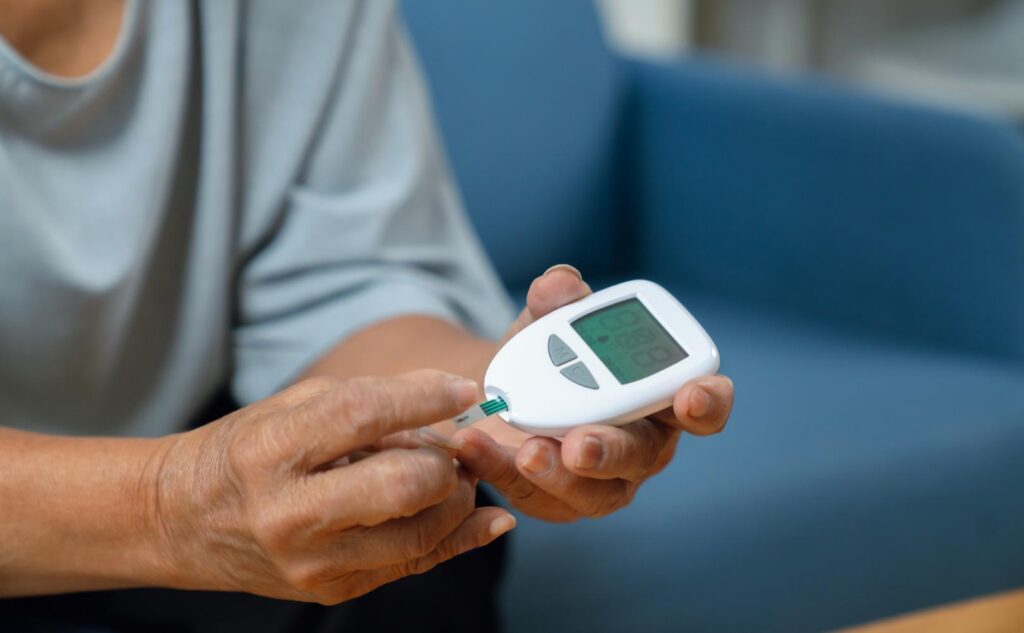
Some conditions, including diabetes, asthma, and heart disease, increase the risk of flu complications. With diabetes, illness can raise glucose, while reduced food intake can contribute to lows. Ask for an individualized sick-day plan covering monitoring, medicines, and when to contact your care team.
Bring recent readings and questions to your next visit. Mention new symptoms or trouble following your current plan. Consistent chronic care gives your provider useful context if you develop an acute illness later. It also helps you address smaller concerns before the busiest part of the season.
4. Choose Habits You Can Keep
A realistic routine leaves room for celebrations and basic self-care. Aim for consistent sleep, regular meals, and movement that fits your abilities. These habits support general health, even though they can’t guarantee you won’t catch a respiratory infection.
Plan around predictable challenges. If dinner will be late, prepare a snack that fits your nutrition plan. If you have a long shopping day ahead, bring your medicines and allow time for breaks. Follow any individualized guidance about carbohydrates, sodium, or fluids.
Keep expectations reasonable. One late night doesn’t require an elaborate reset, and enjoying a favorite holiday dish doesn’t cancel your progress. Return to the habits that help you feel steady. A routine you can repeat is more useful than one that makes every gathering feel like an assignment.
5. Notice Symptoms Early
Recognizing a change from your usual health can help you decide when to seek advice. Flu may cause a cough, sore throat, body aches, chills, fatigue, or fever. Symptoms often begin abruptly, but not everyone develops a fever.
Flu, COVID-19, and other respiratory infections can overlap in how they feel. Your provider may recommend testing based on your symptoms, health history, and local illness patterns. A negative rapid test doesn’t always rule out infection, so ongoing symptoms still deserve attention.
Write down when symptoms started and how they’ve changed. Note whether you’re drinking normally, keeping medicines down, or having difficulty with usual activities. That information helps your care team assess the situation more clearly than a general description of feeling under the weather.
6. Ask About Treatment Promptly
Early contact matters when flu is suspected, particularly for patients at higher risk of complications. Antiviral medicines work best when started within one to two days after symptoms begin. Treatment may still help later, especially for higher-risk patients or those with severe illness.
You don’t need to wait for a positive home test before calling. Your clinician can decide whether suspected flu warrants treatment while testing is being considered. The right approach depends on your symptoms, medical history, and how long you’ve been sick.
Antibiotics don’t treat the influenza virus itself. A provider may recommend a different treatment if a bacterial complication develops. Share your complete medication list, including nonprescription products, so the plan accounts for possible interactions. Ask what improvement to expect and when to call back if you’re getting worse.
7. Make Same-Day Access Count
A new illness doesn’t always fit neatly into a scheduled checkup. Mason Park Medical Clinic offers same-day appointments for acute concerns and welcomes walk-ins. Availability can change, so contact the office before visiting, particularly around holidays.
When requesting a same-day doctor appointment in Katy, describe your symptoms, when they started, and any relevant chronic conditions. Tell the team about breathing concerns or difficulty drinking. This helps staff guide you toward an appropriate level of care.
Bring your medication list and any recent test results. If you have respiratory symptoms, call ahead for arrival instructions and wear a well-fitting mask if you can. A timely visit creates an opportunity for evaluation, testing when appropriate, and a clear follow-up plan. It doesn’t mean every illness requires the same tests or prescriptions.
If you’re due for a wellness visit and suddenly become sick, tell the office before arriving. The team may prioritize the new symptoms and arrange preventive care separately, giving each concern the time it needs.
8. Know Where to Go
Understanding urgent care vs. primary care helps you choose support that fits the situation. Primary care covers preventive visits, chronic-condition management, and many new illnesses. An established care team can use your health history to guide treatment and follow-up.
Urgent care can be helpful for a nonemergency problem that needs prompt attention when your regular provider isn’t available. Mason Park provides acute care within its primary-care practice. Ask about access first, then use another appropriate option if the office cannot meet your needs.
Trouble breathing, chest pain, or sudden confusion calls for immediate emergency evaluation. Call 911 rather than waiting for an office appointment. Knowing that distinction ahead of time makes it easier to respond when someone needs help. After treatment elsewhere, share the visit summary with your regular care team.
9. Give Recovery Some Space
Staying home when you’re sick helps protect others and gives you time to recover. Before resuming most community activities, both conditions should be true for at least twenty-four hours. Your symptoms are improving overall, and you’re fever-free without using fever-reducing medicine.
After returning, take added precautions for the next five days, such as masking and improving indoor air. Feeling better doesn’t mean transmission risk has disappeared. If fever returns or you feel worse, stay home again and reassess.
Flu without fever needs attention, too. CDC advises staying home from work for at least five days after symptoms begin when flu is suspected or confirmed without fever. Ask your care team about returning to activities, especially if you’re around vulnerable people or your workplace has additional requirements.
10. Look Beyond This Season
Holiday prevention can be the starting point for a broader health review. Use a preventive visit to discuss vaccines, screenings, blood pressure, and any changes in how you’re feeling. The recommendations should reflect your age, medical history, and individual risks.
Ask which screenings are due and what each test would help assess. Not every patient needs the same tests or an extensive annual laboratory panel. A focused discussion can help you understand which steps deserve attention now and which can wait.
Flu vaccination doesn’t cover every winter respiratory illness. Ask whether other recommended vaccines are due based on your age and health history. Reviewing your records can also prevent unnecessary repeat doses or missed opportunities for protection.
Keep a simple record of vaccinations, medication updates, and follow-up dates. Bring it to future visits, especially if you receive care in more than one place. That information supports continuity long after the holiday decorations come down.
Make Your Next Step Simple
Mason Park Medical Clinic can help you connect preventive care with the support you need throughout the season. Our Katy team offers flu vaccination, chronic care, and acute visits for new health concerns. We can review your priorities and help you identify the appropriate next step.
Contact the clinic to arrange a preventive care appointment or ask about a same-day visit. Confirm vaccine availability and holiday hours when you call, so your plans match the care available.